
EMPLOYEE PRICING. YOU PAY WHAT WE PAY!
SHOP NOW
The 2026 Ford F-150 lineup establishes a new benchmark for mechanical performance, offering a diverse array of optimized drivetrains designed to handle the most demanding tasks in Plymouth and Bridgewater. From the high-torque output of the hybrid PowerBoost system to the instant delivery of the all-electric Lightning, these powertrains are engineered for peak efficiency and strength.
Maximizing the potential of your 2026 Ford Explorer begins with a deep dive into its tire technology. Central to this is the 2026 Ford Explorer's TPMS sensors, which provide real-time data to ensure your vehicle operates within its peak efficiency range. When paired with the specific 2026 Ford Explorer's tire specifications—engineered for optimal load distribution and grip—these systems directly impact the 2026 Ford Explorer's performance, from fuel economy to cornering stability.
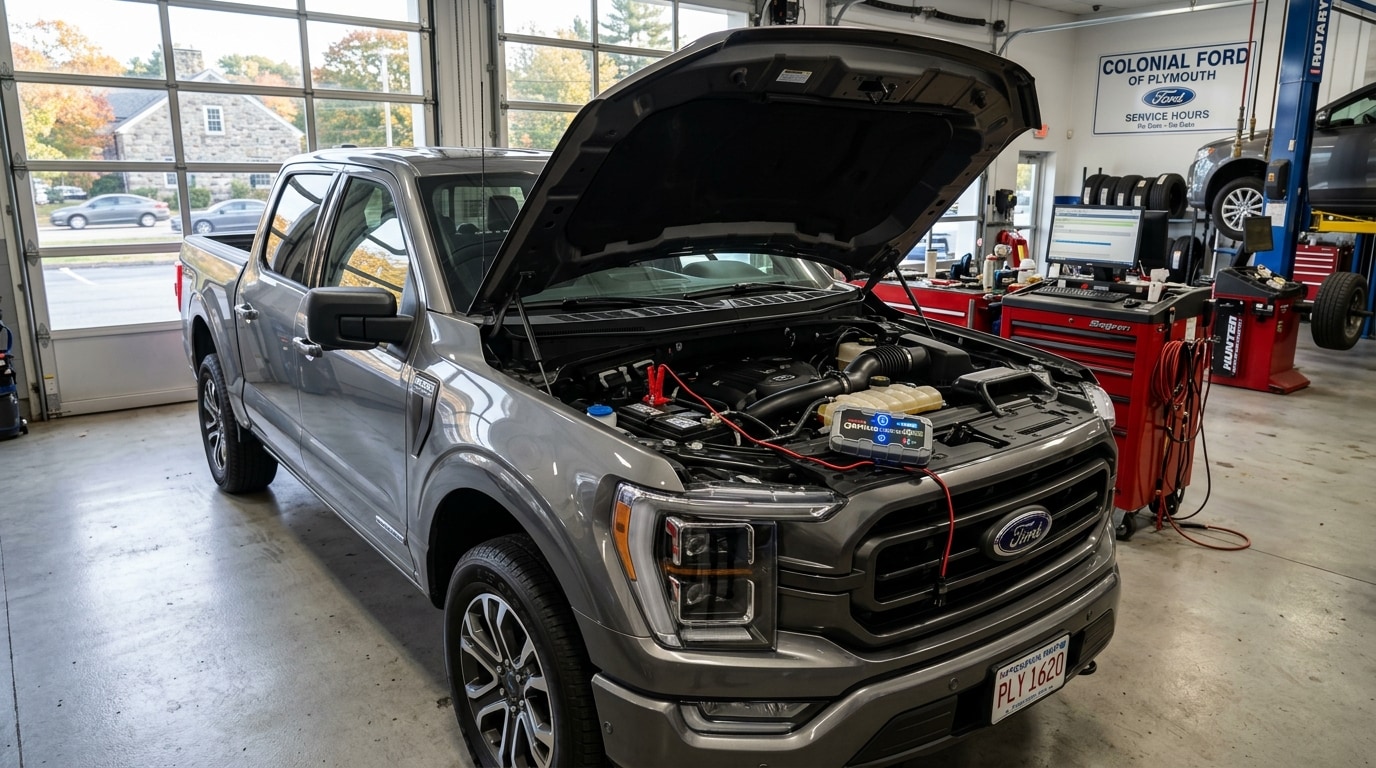
Keeping your 2026 Ford F-150 in peak condition requires a firm grasp of its advanced Maintenance Needs, specifically the role of the Intelligent Oil Life Monitor. This system tracks your driving habits in Plymouth and Bridgewater to calculate precise service intervals, ensuring your engine always has fresh lubrication. Because the 2026 F-150 has specific Oil Capacity requirements and relies on Motorcraft® synthetic blend oils to combat harsh New England weather, professional care is vital.

Selecting the right tires for your Ford F-150 is a critical decision that impacts safety, performance, fuel efficiency, and overall driving experience. Whether you frequently navigate the rugged terrain around Marshfield or cruise the highways near Bridgewater, having the proper tires tailored to your truck’s specifications and your driving needs is essential. This guide will provide you with a comprehensive understanding of how to choose tires that match the unique demands of the F-150, ensuring optimal handling and durability.

Maintaining your Ford vehicle's engine health is essential to ensuring reliable performance and longevity, and one of the most critical factors in this process is performing timely oil changes. Engine oil serves as the lifeblood of your vehicle’s engine, providing lubrication, cooling, and protection against wear and corrosion. Without regular oil changes, the engine’s components can experience excessive friction, overheating, and buildup of harmful deposits, which can lead to reduced efficiency and costly repairs.