

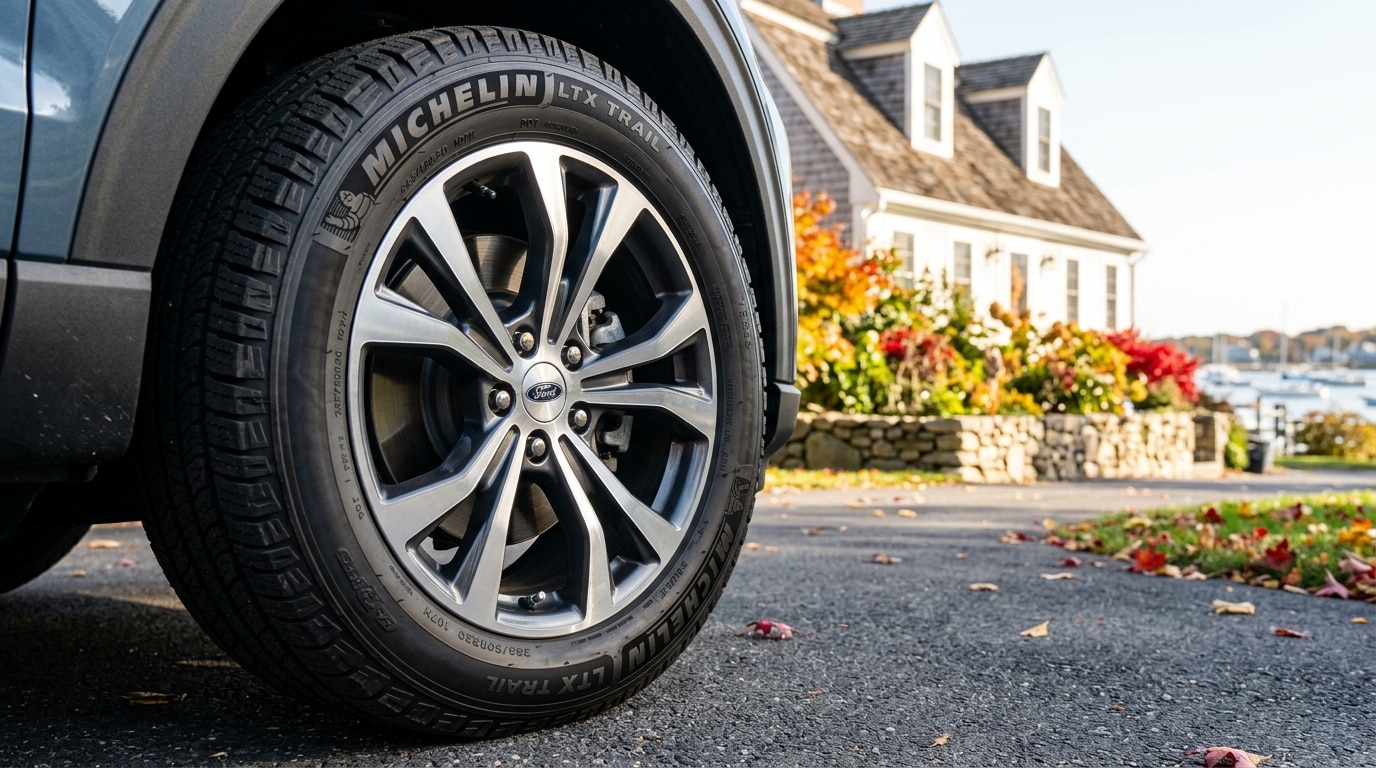
Understanding Ford Explorer’s TPMS Sensors and Tire Specifications
Maximizing the potential of your 2026 Ford Explorer begins with a deep dive into its tire technology. Central to this is the 2026 Ford Explorer's TPMS sensors, which provide real-time data to ensure your vehicle operates within its peak efficiency range. When paired with the specific 2026 Ford Explorer's tire specifications—engineered for optimal load distribution and grip—these systems directly impact the 2026 Ford Explorer's performance, from fuel economy to cornering stability.
The 2026 Ford Explorer models come equipped with various wheel options, including standard 18-inch wheels and available 20-inch machined aluminum wheels, depending on the trim. Many drivers in Bridgewater and Middleborough Center opt for 20-inch tires to enhance their Explorer’s road presence and handling capabilities. However, fitting larger tires requires careful consideration of vehicle specifications and maintenance implications.
To safeguard your vehicle, Ford’s Tire Warranty Coverage offers comprehensive protection against defects and premature wear, acting as a vital safety net that protects your investment in a 2026 Ford Explorer. For drivers in Plymouth and Bridgewater, staying informed on these technical requirements ensures your SUV remains a reliable companion on any terrain.
Table of Contents
- Understanding Ford Explorer’s Tire Specifications and Compatibility with 20-Inch Tires
- TPMS Sensors on Ford Explorer: Ensuring Accurate Tire Pressure Monitoring
- The Importance of OEM Tire Specifications and How They Affect Vehicle Performance
- Ford’s Tire Warranty Coverage and How It Protects Your Investment
Understanding Ford Explorer’s Tire Specifications and Compatibility with 20-Inch Tires
Ford Explorer models are designed with specific tire and wheel sizes to optimize performance, safety, and ride comfort. For the 2026 Explorer, the factory offers several wheel options, including standard 18-inch wheels and available 20-inch machined aluminum wheels. This availability means that 20-inch tires are fully compatible with certain trims, such as the 2026 Explorer ST-Line and Platinum, without compromising the vehicle's handling or safety features.
When servicing or replacing tires on a Ford Explorer equipped with 20-inch wheels, it's essential to adhere to the original equipment manufacturer (OEM) specifications to maintain optimal performance. These specifications include tire diameter, width, load rating, and speed rating. For example, the OEM 20-inch tires often have a diameter around 32 to 33 inches and widths that balance traction and fuel efficiency. Using tires outside these parameters can impact suspension performance, fuel economy, and even affect the calibration of safety systems like the anti-lock braking system (ABS) and traction control.
Proper maintenance of 20-inch tires also involves regular inspections for tread wear, sidewall damage, and tire pressure. Larger diameter tires often have lower-profile sidewalls, which can be more susceptible to damage from potholes or curbs, especially on roads common in suburban areas like Bridgewater, MA, or Pembroke, MA. Therefore, routine tire checks are critical to prevent premature wear or unexpected failures.
Another consideration when switching to or maintaining 20-inch tires is the impact on ride quality. While larger wheels can improve aesthetics and cornering stability, they may result in a firmer ride due to reduced sidewall cushioning. This trade-off requires careful balancing during tire selection and suspension maintenance, particularly for drivers frequently traversing varied terrains in areas like Marshfield or Kingston.
For Ford Explorer owners in the Plymouth area and nearby communities, Colonial Ford of Plymouth offers specialized service to ensure your 20-inch tires remain in excellent condition. Our certified technicians use OEM parts and follow manufacturer guidelines to maintain tire integrity and vehicle safety. To help with tire maintenance and replacement, check current Service and Parts Specials that can make upkeep more affordable.
In summary, the Ford Explorer’s design supports 20-inch tires on specific trims, but owners must commit to proper maintenance practices and use OEM-approved tire sizes to preserve vehicle performance and safety on the roads of Middleborough Center, Wareham Center, and surrounding communities.
TPMS Sensors on Ford Explorer: Ensuring Accurate Tire Pressure Monitoring
The Ford Explorer is equipped with a sophisticated Tire Pressure Monitoring System (TPMS) designed to maintain optimal tire pressure, which is critical for vehicle safety, fuel efficiency, and tire longevity. The system relies on highly accurate sensors installed on each wheel that continuously monitor tire pressure and alert the driver if the pressure drops below the manufacturer’s recommended levels.
Ford Explorer models typically use direct TPMS sensors mounted inside the tire on the valve stem. These sensors transmit real-time pressure data to the vehicle’s onboard computer, allowing instant detection of underinflated tires. This direct measurement approach is more precise compared to indirect TPMS systems that estimate pressure through wheel speed sensors.
Maintaining properly functioning TPMS sensors is essential for drivers in areas such as Bridgewater, Pembroke, and Kingston, where weather conditions can impact tire pressure dramatically. Cold temperatures cause air pressure to drop, potentially triggering low tire pressure warnings. Timely sensor calibration and inspection during routine service visits can prevent false alarms or undetected low-pressure situations.
Replacing or repairing TPMS sensors should always involve genuine Ford parts to guarantee compatibility and system accuracy. Sensors have a typical lifespan of 5 to 10 years, depending on usage and environmental factors. When tires are replaced or repaired, technicians at Colonial Ford of Plymouth carefully inspect and recalibrate the TPMS to ensure it continues to monitor tire pressure correctly.
Since low tire pressure can lead to uneven tire wear, reduced fuel economy, and compromised handling, the TPMS plays an indispensable role in vehicle maintenance. For owners in Marshfield or Carver, regular service appointments focused on TPMS upkeep can extend tire durability and enhance overall driving safety.
Proper TPMS maintenance involves scheduled sensor battery checks, recalibration after tire rotations, and sensor replacement when necessary. This proactive approach helps avoid unexpected roadside issues and ensures the Explorer’s tires perform at their best under various road conditions.
The Importance of OEM Tire Specifications and How They Affect Vehicle Performance
Adhering to the original equipment manufacturer (OEM) tire specifications is critical for maintaining the intended performance and safety standards of your Ford vehicle. These specifications encompass tire size, load rating, speed rating, and tread pattern, all precisely matched to the vehicle’s suspension, braking system, and weight distribution. Using tires that deviate from OEM guidelines can lead to uneven wear, compromised handling, and reduced fuel efficiency, which may increase maintenance frequency and costs.
For Ford Explorer owners in Kingston, MA, and Pembroke, MA, maintaining these exact tire specifications ensures optimal traction and stability, especially given the varied road conditions in these areas. OEM tires are engineered to work harmoniously with the vehicle’s advanced systems such as ABS and electronic stability control, preserving safety features designed for precise tire dimensions and performance criteria.
From a maintenance standpoint, sticking to OEM specs simplifies tire servicing and helps technicians accurately diagnose and address issues related to tire wear or pressure imbalances. This alignment supports longer tire life and consistent ride quality, ultimately protecting your investment and enhancing reliability over time.
Ford’s Tire Warranty Coverage and How It Protects Your Investment
Ford provides comprehensive tire warranty coverage designed to safeguard your investment and maintain your vehicle’s safety standards. Typically, this warranty covers defects in workmanship and materials for a specified period or mileage, whichever comes first. It also includes coverage for premature tread wear under normal driving conditions, ensuring your tires maintain their performance and reliability.
For drivers in Plymouth, Pembroke, and Kingston, understanding the terms of Ford’s tire warranty can save time and money when replacements or repairs become necessary. Warranty claims often require inspection by certified technicians to verify the issue aligns with coverage criteria. Maintaining proper tire pressure and alignment, which can be routinely serviced at Colonial Ford of Plymouth, helps maximize warranty benefits and tire longevity.
For assistance with tire warranty claims or maintenance, feel free to call us at (508) 591-5242 or get directions to Colonial Ford of Plymouth or schedule service to ensure your tires remain in optimal condition.
© 2026 Colonial Ford of Plymouth. All rights reserved.